
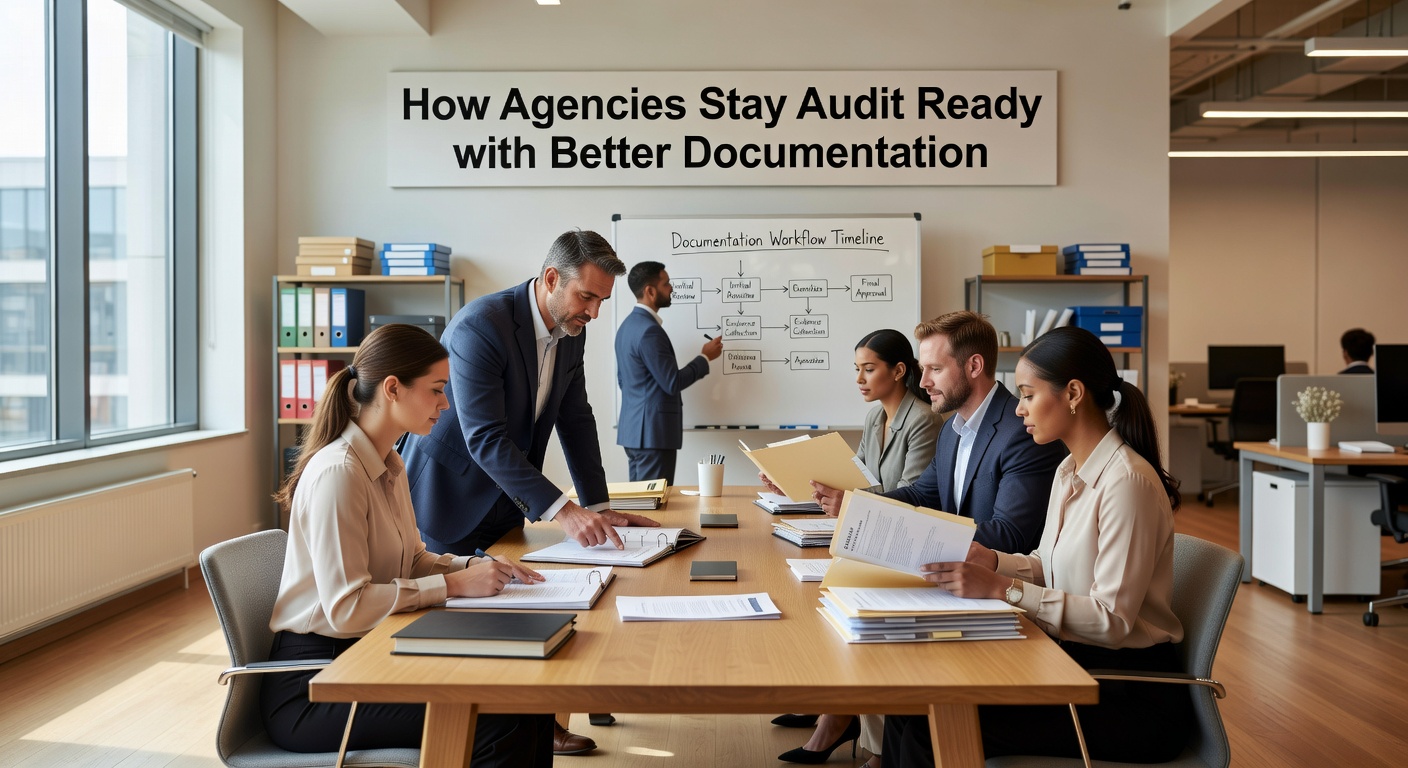
Maintaining comprehensive documentation systems is essential for supervision agencies to meet regulatory requirements and pass audits successfully. How agencies stay audit ready with better documentation depends on implementing systematic tracking, standardized processes, and organized record-keeping that regulatory bodies can easily review and verify.
Regulatory agencies expect immediate access to complete records during audits. Without proper documentation workflows, agencies face penalties, funding loss, and program shutdowns. Modern documentation practices help organizations maintain compliance while reducing administrative burden.
Common Documentation Gaps That Lead to Audit Failures
Many supervision agencies struggle with incomplete or disorganized records that fail audit requirements. These documentation gaps create serious compliance risks:
Missing intake documentation often includes incomplete court referrals, missing conviction abstracts, or unsigned consent forms. Auditors expect complete client files from day one, including sentencing orders, financial assessments, and treatment needs evaluations.
Inconsistent ongoing supervision tracking creates audit red flags when session attendance records have missing timestamps, drug testing results lack proper chain of custody documentation, or progress notes contain vague entries without specific compliance details.
Inadequate staff qualification records become problematic when agencies cannot quickly produce current certifications, training completion certificates, or background screening documentation for all personnel.
Poor financial documentation includes missing fee collection records, incomplete scholarship justifications, or expense tracking that cannot account for program funds during regulatory reviews.
Essential Documentation Categories for Compliance
Successful agencies organize their documentation into clear categories that auditors expect to review:
Client Management Records
Intake phase documentation must include court referrals with complete sentencing details, conviction abstracts showing offense history, DMV records for driving-related programs, verified insurance information, signed consent forms, emergency contact details, medical history relevant to treatment, and comprehensive needs assessments.
Ongoing supervision tracking requires detailed session attendance with precise timestamps, complete drug and alcohol testing results including chain of custody forms, payment records for all fees and fines, specific progress notes documenting compliance issues and improvements, and treatment advancement records showing client development.
Administrative and Staff Records
Staff qualification documentation includes current professional licenses, completed training certificates, background screening results with dates, and ongoing education records that demonstrate continued competency.
Program operation records cover policy manuals with revision dates, incident reports with resolution details, violation documentation with follow-up actions, and quality assurance reviews showing systematic oversight.
Systematic Approaches to Audit-Ready Documentation
Organizations that consistently pass audits follow structured documentation approaches:
Standardized Templates and Workflows
Consistent formatting across all documentation types helps auditors quickly locate required information. Agencies should use standardized intake forms, session note templates, and reporting formats that capture all necessary details in predictable locations.
Time-sensitive documentation rules require entries within 24-48 hours for routine activities and same-day documentation for critical events like failed drug tests or compliance violations. Weekly file reviews help prevent documentation gaps.
Real-Time Tracking Systems
Automated monitoring systems can track client attendance, payment schedules, and certification renewal dates without manual intervention. These systems generate alerts for missing documentation and upcoming deadlines.
Centralized record storage ensures all team members can access current documentation while maintaining proper security controls. Digital systems with backup procedures protect against data loss during audits.
Background Screening and Monitoring Compliance
Agencies must maintain comprehensive staff screening documentation that demonstrates ongoing compliance with federal and state requirements.
Initial Screening Documentation
Risk-stratified screening protocols require different levels of background checks based on staff roles. Direct supervision positions need multi-state criminal searches and abuse registry checks, while administrative roles may require basic local screening.
Federal exclusion monitoring demands monthly checks against CMS exclusion lists and other federal databases. Agencies must document these searches and maintain records of all staff clearances.
Ongoing Monitoring Requirements
Triggering event protocols require immediate re-screening when staff members report arrests, license changes, or other qualifying events. Documentation must show the agency’s response timeline and any necessary actions taken.
Periodic renewal schedules typically require criminal background updates every 2-5 years depending on state requirements. Compliance tracking for regulated programs helps agencies maintain these complex schedules automatically.
Individualized assessment documentation shows how agencies evaluate any discovered offenses against job requirements while considering rehabilitation evidence and role-specific risks.
Technology Solutions for Documentation Management
Modern agencies use integrated software systems to maintain audit-ready documentation:
Automated Compliance Monitoring
Real-time alerts notify administrators about upcoming certification renewals, missing documentation, or compliance deadlines before they become audit issues.
Standardized reporting generates consistent documentation formats that meet regulatory requirements while reducing staff time spent on manual report creation.
Audit Trail Maintenance
Version control systems track all document changes with timestamps and user identification, creating clear audit trails that demonstrate proper oversight and accountability.
Backup and retrieval protocols ensure documentation remains accessible during system maintenance or emergencies while meeting data security requirements.
Best Practices for Staying Audit Ready
Successful agencies implement these practical strategies:
- Conduct monthly documentation reviews to identify and correct gaps before they become audit findings
- Train all staff on documentation requirements and provide regular updates on changing regulations
- Maintain vendor compliance by ensuring background screening providers meet FCRA requirements and deliver complete, accurate results
- Create documentation checklists for each major process to ensure consistent completion of required records
- Establish clear escalation procedures for documentation issues that require immediate attention
Takeaway
Effective documentation management is the foundation of audit readiness for supervision agencies. By implementing standardized processes, maintaining comprehensive records, and using modern tracking systems, agencies can demonstrate compliance while reducing administrative burden. The key is creating systematic workflows that capture required information consistently and make it easily retrievable during regulatory reviews.
Ready to streamline your documentation workflows? Contact us to learn how integrated compliance management systems can help your agency maintain audit-ready documentation while reducing administrative overhead.