
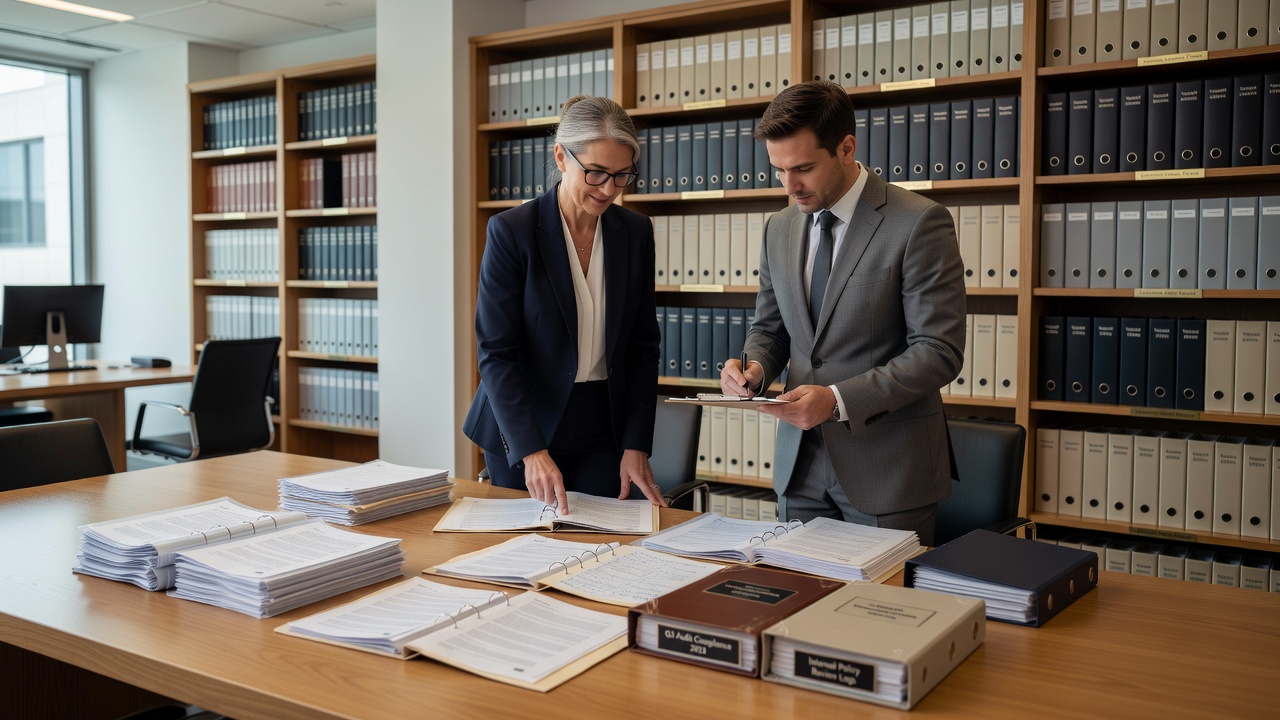
For agencies working in regulated supervision and treatment environments, staying audit ready with better documentation is not a one-time effort — it is an ongoing operational discipline. Whether your team is preparing for a monitoring visit, reconciling billing records, or submitting monthly progress reports, the quality and consistency of your documentation determines how smoothly those processes go. The agencies that handle audits without disruption are usually the ones that have built reliable, repeatable workflows throughout the year — not just the week before a review.
Why Documentation Gaps Lead to Audit Findings
Most audit findings in supervision and treatment programs are not caused by poor client outcomes. They are caused by inconsistent or incomplete recordkeeping. When reviewers cannot find the documentation to support what staff say happened, that gap becomes a finding — even when the work was done correctly.
Common reasons audit findings happen include:
- Missing or unsigned session notes that were completed late or skipped entirely
- Attendance logs that don’t match billing records, creating discrepancies that require correction
- Inconsistent progress report formats across staff members or program locations
- Undocumented program changes, such as modified schedules, makeup sessions, or level adjustments
- No clear corrections log when client records are updated or amended
These are not complex problems. They are workflow problems. And most of them can be addressed with better internal systems.
How to Standardize Documentation Across Staff and Locations
One of the most practical steps an agency can take is to standardize the format and timing of documentation across all staff members, regardless of location or role. When every clinician, case manager, and supervisor follows the same structure, reviews go faster and errors are easier to catch.
Build a Consistent Session Note Template
A clear session note template removes guesswork for staff. At minimum, each session note should include:
- Date, time, and duration of the session
- Client name and case or file number
- Session type (individual, group, makeup, remote)
- Progress summary tied to the client’s program goals
- Staff signature and credential
- Date the note was completed
When this structure is consistent, supervisors can review notes quickly and flag gaps before they become problems.
Set Internal Deadlines for Note Completion
Many agencies allow notes to remain open too long. Setting a firm internal deadline — such as completing all notes within 24 or 48 hours of the session — reduces the risk of missed documentation. When staff know the expectation and the system enforces it, compliance improves without constant reminders.
Reporting Workflows That Reduce Administrative Burden
Preparing monthly or quarterly reports for courts, referral agencies, or funding sources is one of the most time-consuming tasks in regulated programs. When documentation is fragmented or inconsistently formatted, report preparation often requires hours of manual review and correction.
Agencies that reduce this burden typically do a few things differently:
- They reconcile attendance logs and billing records weekly, not at the end of the month. This makes discrepancies easier to catch and correct in real time.
- They use standardized report templates that pull from the same fields used in session notes and intake records. This eliminates retyping and reduces transcription errors.
- They assign clear ownership for each step in the reporting process — one person or role responsible for pulling records, one for reviewing, one for submitting. When everyone knows their step, reports move faster.
- They track report due dates in a shared calendar or task system, so nothing is submitted late and staff aren’t surprised by upcoming deadlines.
Software built for compliance tracking in regulated programs can support this kind of structured workflow by centralizing records, automating due date reminders, and giving supervisors a single view of pending tasks.
A Practical Checklist for Monthly File Reviews
A monthly internal file review is one of the most effective tools for staying audit ready year-round. It does not have to be lengthy. The goal is to catch problems before an external reviewer does.
Use a simple checklist structured around these areas:
Attendance and Participation
- Are all session dates documented with signed notes?
- Are missed sessions recorded with the reason noted?
- Are makeup sessions documented separately and tied to the missed date?
Billing and Records Alignment
- Do attendance records match the billing submissions for this period?
- Are any unbilled sessions or overbilled records flagged for correction?
Progress Reporting
- Are all required progress reports submitted on time?
- Do reports reflect the most current program status for each client?
File Completeness
- Are signed intake and consent forms on file?
- Have any program changes, level modifications, or referral updates been documented?
Corrections and Amendments
- Are all record corrections logged with the original entry, the change made, and the reason?
- Is there a staff signature and date on every amendment?
Running this checklist monthly — even informally — will surface documentation gaps while they are still easy to fix.
How to Prepare for Inspections and Monitoring Visits
Monitoring visits and inspections are often announced with limited lead time. Agencies that handle these well are not scrambling at the last minute because they treat audit readiness as a routine practice, not an emergency response.
A few practices that make a real difference:
- Keep a corrections log that documents every change made to a client file, including what was changed, why, and by whom. This shows reviewers that your agency has internal controls, not that records were altered without accountability.
- Conduct a pre-visit internal review using the same criteria an external reviewer would apply. If you find a gap, fix it before the visit and document the correction.
- Organize files consistently so that any reviewer can navigate records without needing staff to walk them through it. Reviewers who can find what they need quickly are more likely to have positive outcomes.
- Brief your staff before a visit. Everyone who might be asked questions should know where records are, what the current status of each client’s file is, and who to refer questions to.
For agencies managing high volumes of clients across multiple programs, documentation tools for supervision agencies can make this kind of consistent file organization much more manageable at scale.
Takeaway
Audit readiness is not about preparing for a single event. It is the result of consistent, well-structured documentation habits that happen throughout the year. Agencies that standardize their session notes, reconcile records regularly, review files monthly, and maintain a clear corrections log are rarely surprised by what a reviewer finds — because they already know what is in their files.
Modern software tools built for regulated supervision and treatment environments can support every part of this process: from automating note reminders and report due dates to centralizing records and surfacing billing discrepancies before they become findings. The technology does not replace sound practice — it makes sound practice easier to sustain.
If your agency is looking to strengthen its documentation workflows and reduce the administrative burden of compliance reporting, now is a good time to evaluate whether your current tools are working as hard as your team is. Reach out to learn how purpose-built software can support your agency’s compliance and reporting goals.