
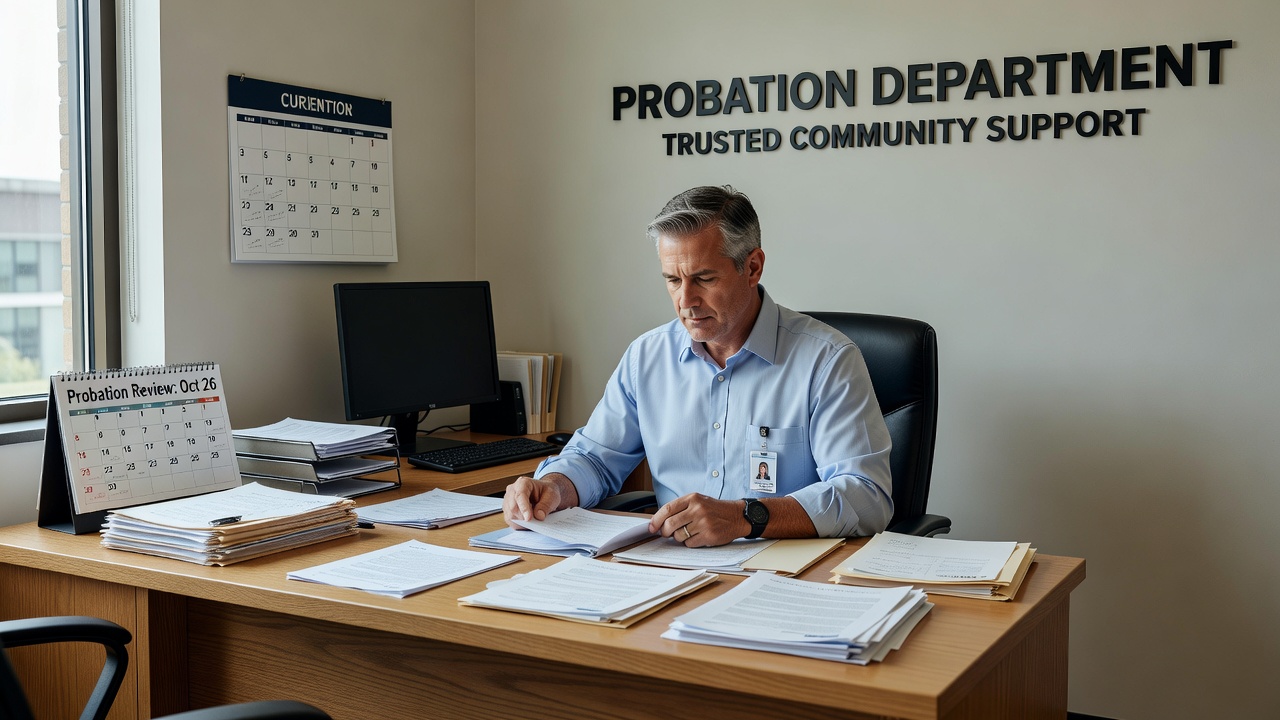
For supervision and compliance agencies, learning how agencies reduce paperwork with case tracking tools is no longer a back-burner concern—it is a daily operational need. Whether you manage a court-mandated treatment program, oversee offender supervision, or run a DUI education program, the sheer volume of documentation, attendance records, billing tasks, and court reports can overwhelm even experienced staff. The right case tracking approach does not eliminate the work, but it makes the work manageable, consistent, and audit-ready.
Where Paperwork Bottlenecks Actually Come From
Most agencies do not have a laziness problem. They have a systems problem. Paperwork tends to pile up because documentation is treated as something that happens *after* the real work is done, rather than as part of it.
The most common bottlenecks show up at predictable points:
- Intake forms that are completed on paper and then re-entered somewhere else
- Progress notes written in batches at the end of the week—or the month
- Attendance records stored separately from case files, making cross-referencing slow
- Court reports drafted from memory or incomplete notes under deadline pressure
- Completion certificates and treatment plans that get delayed because a prior step was never fully documented
These slow points are not random. They are usually places where there is no clear system, no consistent format, or no routine that keeps documentation current. The result is a month-end scramble that increases errors, creates audit exposure, and burns out staff.
How Case Tracking Tools Change the Daily Workflow
Case tracking tools work by giving agencies a single structured place where documentation, attendance, and status information live together. Instead of pulling information from multiple sources—paper files, spreadsheets, email threads—staff can see a complete client picture in one view.
Here is what that looks like in practice:
Attendance and Status Reviews Happen in Real Time
Rather than reviewing a paper sign-in sheet at the end of the week, staff can log attendance as it happens and flag no-shows immediately. This matters because missed sessions that are not documented promptly create problems: courts expect timely reporting, and gaps in the record are hard to explain after the fact.
A simple weekly review routine—checking for attendance gaps, expired authorizations, and pending court reports—takes significantly less time when the information is already organized in one place.
Progress Notes Stay Current
One of the most common documentation mistakes in regulated programs is late notes. When counselors or supervisors wait until the end of the week to write progress notes, details get fuzzy, timestamps may not reflect actual service delivery, and billing can be delayed.
Timely note entry is not just a best practice—it protects the agency. In an audit, late notes raise questions about whether services were actually delivered. In billing, late notes delay claims and increase denial risk. Case tracking tools that prompt staff to complete notes at the point of service help agencies avoid both problems.
Court and Compliance Reports Are Easier to Generate
Court-mandated programs often report to multiple stakeholders: judges, probation officers, licensing bodies, and state oversight agencies. Each may have a slightly different format or frequency requirement. When case records are complete and current, generating these reports is a matter of pulling organized information rather than assembling it from scratch.
Agencies using administrative workflow tools for regulated programs often report that report generation time drops significantly once notes and attendance are consistently entered in real time.
Building a Documentation Routine That Actually Sticks
Tools are only as effective as the habits behind them. Here is a practical three-level documentation review routine that agencies can implement regardless of program size:
Level 1: Front-Line Self-Check (Daily)
- Complete notes before the end of the service day
- Confirm attendance is recorded accurately
- Flag any missing signatures or authorizations immediately
Level 2: Supervisor Spot Checks (Weekly)
- Review a sample of case files for completeness
- Check for attendance gaps that have not been escalated
- Confirm court reports are on schedule
- Identify any authorization expiration dates approaching within 30 days
Level 3: Quarterly File Audits (Ongoing)
- Conduct internal mini-audits on high-risk or complex cases
- Verify that denial logs, exception records, and completion certificates are in order
- Use findings to update documentation templates and staff training
This layered approach catches problems before auditors do—which is the entire point. It also reduces the panic that often accompanies surprise audits because files are already organized and current.
The Connection Between Documentation and Billing
Paperwork is not just a compliance concern. It is a revenue concern. Late documentation leads directly to delayed billing, and delayed billing leads to denied claims, cash flow gaps, and administrative time spent on recovery work that should not have been necessary.
For court-related and supervision programs, the billing workflow depends entirely on the integrity of the underlying documentation. A service that is not properly noted cannot be billed confidently. An authorization that is not tracked may expire before the claim is submitted. A denial that is not reviewed within a short window may never be recovered.
Simple billing safeguards—verifying eligibility before service delivery, tracking authorization limits against sessions delivered, reviewing denials on a weekly basis, and reconciling payments consistently—are far easier to maintain when client documentation workflows are connected to the billing process rather than managed separately.
Agencies that treat documentation and billing as two separate departments often lose revenue quietly, through missed denials, misapplied payments, and claims submitted without complete supporting records.
Staying Audit-Ready Without Constant Scrambling
The goal of any documentation system is to make audit readiness a normal condition, not a crisis-response mode. Agencies that achieve this share a few common practices:
- Standardized file structures so every case contains the same documents in the same order
- Naming conventions and storage rules that any staff member can follow consistently
- A compliance calendar that maps reporting deadlines, authorization expiration dates, and policy review windows throughout the year
- Escalation rules for no-shows, missed sessions, and incomplete documentation so nothing falls through the cracks
None of these require sophisticated technology to implement. But when they are supported by a case tracking tool that enforces structure and keeps information current, the administrative burden on staff drops substantially.
Takeaway
Paperwork overload in supervised treatment and compliance programs is almost always a systems problem, not a staffing problem. When documentation is scattered, batched, or inconsistent, agencies face higher audit risk, slower billing cycles, and staff burnout. Building structured daily habits—supported by case tracking tools that keep records complete and current—is the most practical way to reduce administrative burden while improving compliance and reporting accuracy. Agencies that treat documentation as an ongoing process rather than an end-of-month task are better protected, better organized, and better positioned to serve the clients and courts they work with.
—
Ready to see how purpose-built tools can simplify your agency’s documentation and reporting workflows? Explore how compliance-focused software supports regulated programs from intake through court reporting—without adding administrative complexity.