
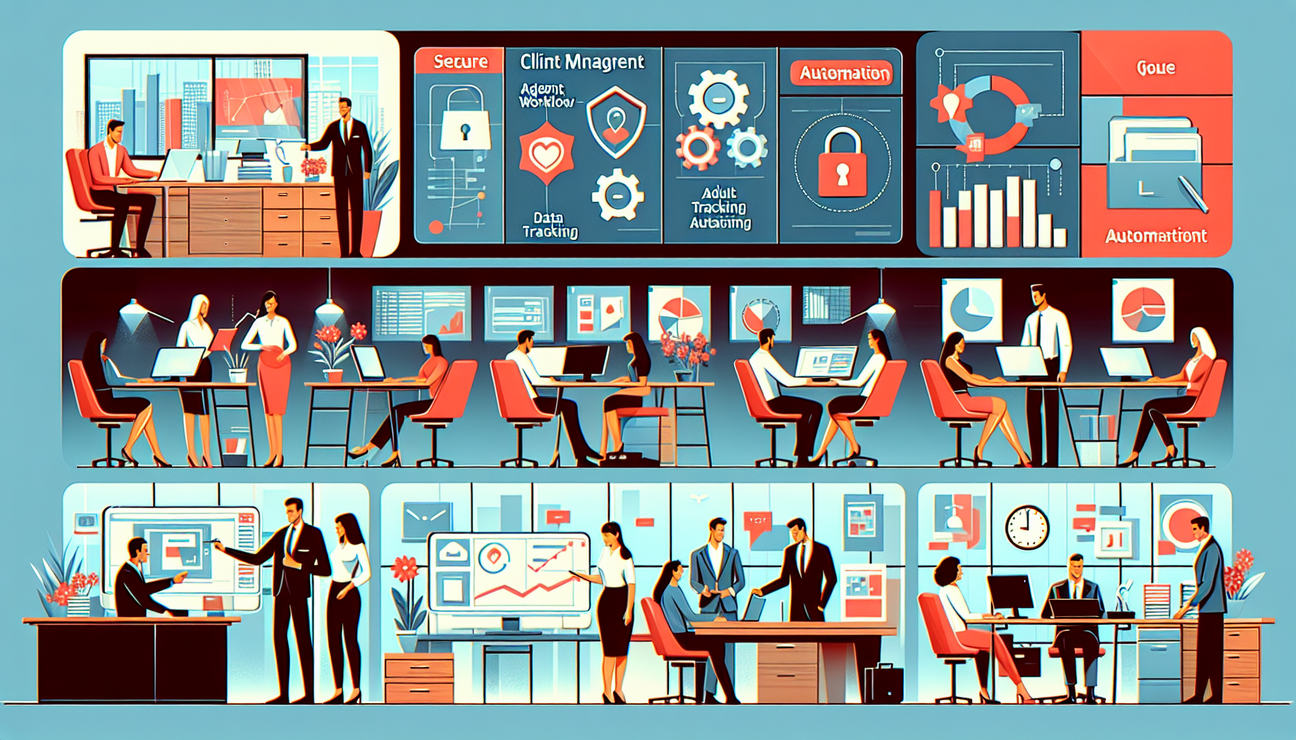
Manual paperwork and scattered record-keeping create significant administrative burdens for supervision agencies. From missing session notes to billing errors, these inefficiencies cost time, money, and compliance standing. Understanding how agencies reduce paperwork with case tracking tools helps program administrators streamline operations while maintaining the detailed documentation required in regulated environments.
The Hidden Costs of Manual Documentation
Traditional paper-based systems create multiple points of failure. Staff spend hours transferring information between intake forms, session notes, and billing records. This manual process leads to inconsistencies, missing signatures, and incomplete client details that trigger claim denials.
Common documentation problems include:
• Missing session dates, times, or staff signatures • Incomplete progress notes that fail to justify billed services • Client information scattered across multiple files • Handwritten notes that become illegible over time • Lost or misfiled documents during busy periods
These issues compound during audits, when agencies struggle to locate specific records or demonstrate compliance with court orders and payer requirements.
Standardizing Documentation Workflows
Consistent templates eliminate guesswork and ensure complete records every time. Successful agencies create standardized forms with required fields that staff must complete before moving to the next step.
Key elements of effective documentation workflows:
• Required field validation prevents staff from submitting incomplete records • Standardized terminology ensures consistent language across all notes • Built-in reminders prompt staff to capture essential details like client responses and session outcomes • Signature requirements create accountability and legal compliance
Digital templates can include dropdown menus, checkboxes, and pre-written phrases that speed up documentation while maintaining quality standards.
Reducing Billing Errors Through Better Tracking
Billing mistakes often stem from disconnected systems where session notes, client information, and billing codes don’t communicate effectively. When staff manually transfer data between systems, errors multiply.
Common billing challenges include:
• Using outdated procedure codes or incorrect modifiers • Billing for clients whose court orders have expired • Missing prior authorization documentation • Duplicate entries when multiple staff handle the same client • Inadequate medical necessity justification in progress notes
Integrated tracking systems address these issues by connecting client records directly to billing functions, automatically flagging potential problems before submission.
Creating Audit-Ready Documentation
Regulatory compliance requires comprehensive, organized records that demonstrate service delivery and justify billing decisions. Agencies that maintain detailed documentation avoid penalties and revenue loss during reviews.
Essential Documentation Components
Client intake records should capture complete demographic information, court order details, insurance coverage, and assessment results. Session notes must include specific dates, times, services provided, client participation levels, and measurable progress indicators.
Billing documentation requires clear connections between services delivered and codes submitted. Each entry should demonstrate medical necessity and compliance with treatment plans.
Organizing Records for Easy Retrieval
Audit readiness means finding any record within minutes, not hours. Effective organization includes:
• Chronological filing with clear date stamps • Client identifiers that link all related documents • Cross-references between session notes and billing entries • Electronic backups with search functionality • Regular file reviews to ensure completeness
Preventing Administrative Bottlenecks
Workflow bottlenecks occur when information gets stuck at specific points in the process. Manual handoffs between staff members create delays and increase error rates.
Common bottleneck sources:
• Waiting for supervisor signatures on completed notes • Transferring client information between departments • Manually checking insurance eligibility before each session • Creating separate reports for different stakeholders • Searching through paper files for historical information
Streamlined processes eliminate these delays by automating routine tasks and creating clear workflows that don’t require constant manual intervention.
Technology Solutions That Actually Work
Modern administrative workflow tools for regulated programs help agencies move beyond manual processes without overwhelming staff with complex technology.
Centralized client databases store all information in one location, eliminating the need to search multiple files or systems. Automated reminders alert staff to upcoming deadlines, expired authorizations, and missing documentation.
Template systems ensure consistency while reducing the time needed to create detailed notes. Integration capabilities connect session documentation directly to billing systems, reducing errors and duplication of effort.
The most effective solutions focus on practical improvements that staff can implement immediately, rather than complex systems that require extensive training periods.
Staff Training and Quality Control
Regular training prevents costly mistakes and ensures consistent documentation across all staff members. Effective training programs focus on real-world scenarios rather than abstract policy discussions.
Monthly Review Practices
Regular reviews help identify problems before they become compliance issues:
• Peer reviews of high-volume documentation entries • Coding accuracy checks to prevent billing errors • Documentation completeness audits on random client files • Process improvement discussions based on staff feedback
This ongoing attention to quality prevents small problems from becoming major compliance issues during official audits.
Takeaway
Effective case tracking reduces administrative burden while improving compliance and accuracy. The key is implementing systems that automate routine tasks, standardize documentation processes, and connect related functions like session notes and billing. Modern software tools help agencies maintain detailed records without overwhelming staff, creating sustainable workflows that support both operational efficiency and regulatory compliance requirements. Success comes from choosing practical solutions that address specific workflow challenges rather than trying to revolutionize entire operational systems at once.