
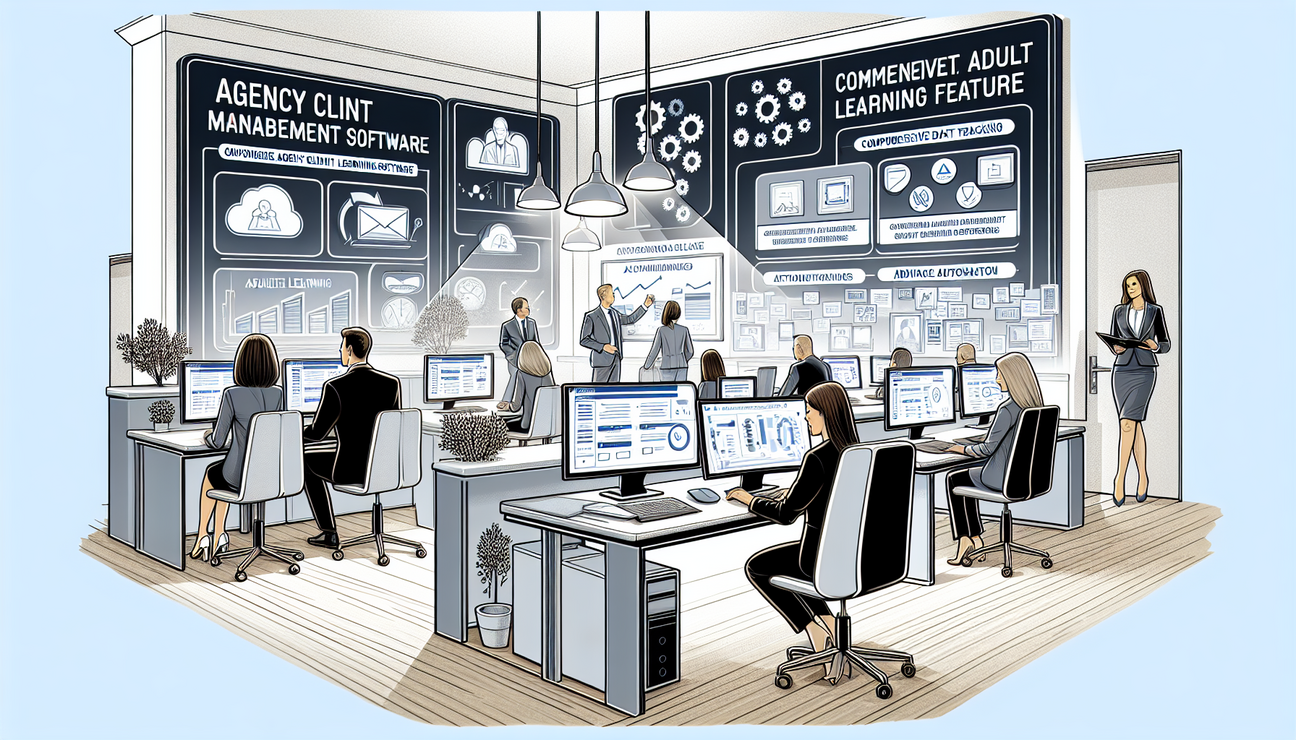
Supervision agencies face mounting pressure to maintain accurate documentation while meeting strict reporting deadlines. Whether you manage DUI programs, probation services, or offender treatment facilities, compliance reporting for supervision agencies requires systematic approaches that go beyond basic record-keeping.
The stakes are high: incomplete documentation triggers billing denials, failed audits result in funding losses, and missing deadlines delay critical revenue streams. Yet many agencies still rely on fragmented manual processes that create gaps exactly where auditors look closest.
Common Documentation Gaps That Trigger Audit Problems
Most compliance failures stem from predictable documentation issues that agencies can systematically address.
Missing Critical Details
Auditors consistently flag records lacking:
- Client identification numbers and contact information
- Precise session dates, start times, and duration
- Staff signatures with credential verification
- Detailed progress notes explaining service necessity
- Court order numbers and mandate expiration dates
These aren’t minor oversights. Each missing element can invalidate an entire service record during audit review.
Inconsistent Record Formats
When different staff members use varying documentation styles, auditors struggle to verify service delivery. Standardized templates ensure every record contains required elements in predictable locations.
Eligibility Verification Failures
Billing for expired court orders or terminated insurance coverage creates serious compliance violations. Real-time eligibility tracking prevents these costly mistakes before they reach payers.
Building Audit-Ready Documentation Systems
Effective compliance reporting starts with structured documentation workflows that capture required information consistently.
Mandatory Field Templates
Create standardized forms requiring completion of essential fields before records can be saved. Include:
- Client demographics and case numbers
- Service type and duration
- Staff credentials and signatures
- Progress toward treatment goals
- Next appointment scheduling
Real-Time Compliance Checks
Implement daily reviews of documentation completeness rather than waiting for month-end audits. Quick daily checks prevent small gaps from becoming major compliance issues.
Centralized Record Storage
Consolidate all client information in single, searchable systems. When auditors request specific records, staff should locate complete files within minutes rather than searching multiple databases or file cabinets.
Court Order and Insurance Tracking
Maintain current eligibility status for every client:
- Track court order expiration dates with 30-day renewal reminders
- Monitor insurance authorization periods and renewal requirements
- Document pre-authorization approvals for specialized services
- Flag eligibility changes immediately when they occur
Preventing Revenue Delays Through Accurate Coding
Understanding DUI-Specific Requirements
DUI programs must use procedure codes that reflect actual services delivered. Common coding errors include:
- Billing individual session codes for group services
- Using generic substance abuse codes instead of DUI-specific options
- Incorrectly bundling multiple services under single codes
- Applying outdated CPT or ICD-10 codes after annual updates
Regular Code Review Process
Schedule quarterly reviews of coding accuracy with billing staff. Compare submitted codes against service delivery records to identify patterns of errors before they multiply.
Staff Training on Payer Requirements
Different payers often require different coding approaches for identical services. Training should cover:
- Court-specific documentation requirements
- Insurance company billing preferences
- State reporting format standards
- Federal compliance obligations
Streamlining Multi-Source Reporting
Many agencies struggle with compliance reporting for supervision agencies because information exists across disconnected systems.
Single Source of Truth
Consolidate reporting data into unified dashboards showing:
- Client progress across all programs
- Staff productivity and credential status
- Financial performance by program type
- Upcoming compliance deadlines and renewals
Automated Report Generation
Reduce manual report preparation time by automating routine compliance submissions. Administrative workflow tools for regulated programs can generate required reports directly from case management data.
Exception Reporting
Create alerts for potential compliance issues:
- Clients approaching court order expiration
- Missing required documentation elements
- Unusual billing patterns requiring review
- Staff members needing credential renewals
Managing Staff Training and Compliance Knowledge
DUI-Specific Training Requirements
Staff working with court-mandated clients need specialized knowledge beyond general substance abuse treatment:
- Interpreting court order language and requirements
- Understanding payer-specific billing rules
- Recognizing when services require pre-authorization
- Tracking compliance with mandatory reporting schedules
Regular Update Training
Compliance requirements change annually. Schedule mandatory training sessions covering:
- New procedure codes and billing requirements
- Updated state reporting formats
- Changes in court order processing
- Revised documentation standards
Documentation Competency Verification
Test staff knowledge through periodic documentation reviews. Identify training needs before errors reach billing systems.
Technology Solutions for Compliance Management
Modern supervision reporting software addresses many compliance challenges through automated workflows and real-time monitoring.
Automated Compliance Monitoring
Technology can flag potential issues before they become problems:
- Alert staff when required documentation is missing
- Verify client eligibility before scheduling services
- Check coding accuracy against service delivery records
- Generate compliance reports automatically
Integrated Billing and Documentation
When documentation and billing systems share information, coding accuracy improves and revenue delays decrease. Changes in one system automatically update related records.
Audit Trail Maintenance
Digital systems create permanent audit trails showing:
- When records were created and by whom
- All modifications with timestamps and staff identification
- Access logs for sensitive client information
- Backup and recovery documentation
Takeaway
Successful compliance reporting requires systematic approaches to documentation, staff training, and technology integration. Agencies that implement standardized templates, automate routine checks, and maintain current eligibility tracking avoid most common audit problems.
The key is building processes that capture required information consistently rather than relying on individual staff members to remember compliance requirements. Modern software tools can automate much of this work, reducing administrative burden while improving accuracy and audit readiness.
Ready to streamline your compliance reporting processes? Contact us to learn how integrated case management systems can reduce administrative workload while ensuring audit readiness.