
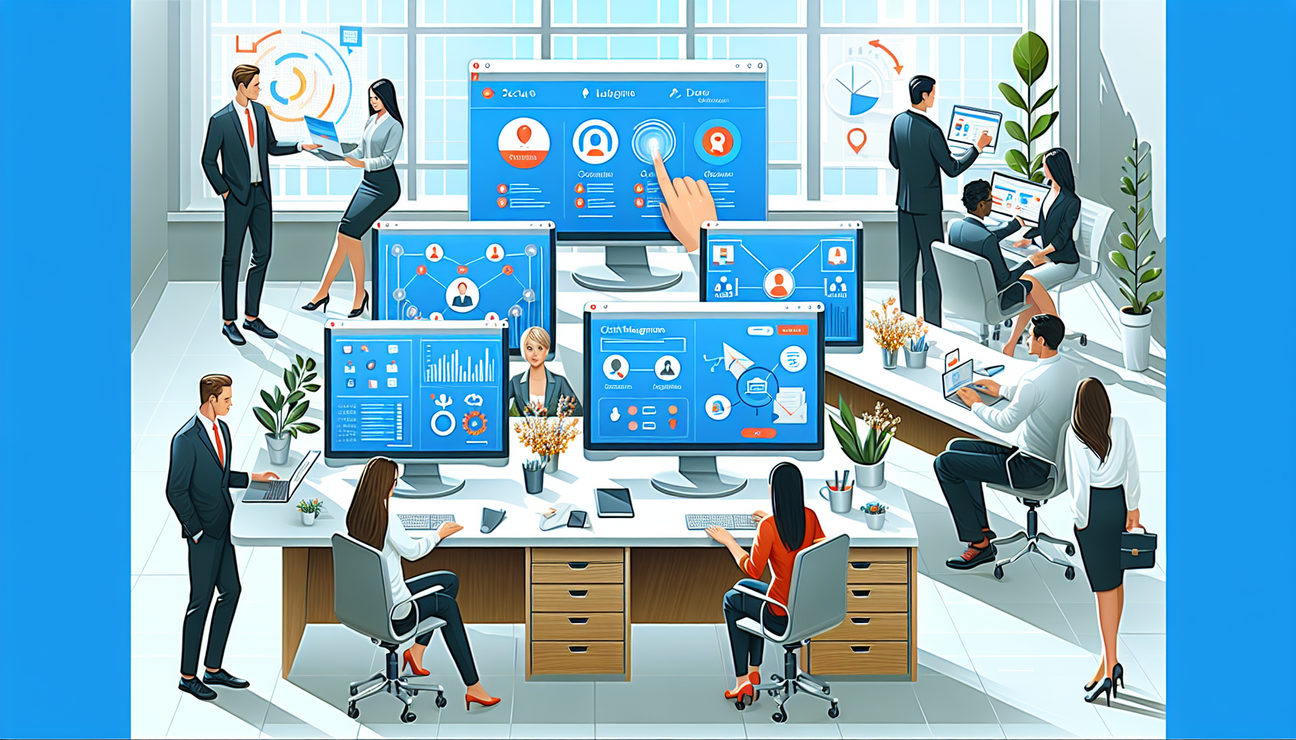
Remember when keeping track of every probation client meant endless office visits, missed appointments, and stacks of paperwork? Those days are quickly becoming history. Modern remote supervision tools are transforming how agencies manage caseloads, cutting office visits by up to 40% while actually improving compliance rates.
Multiple Check-In Methods Replace One-Size-Fits-All Visits
Today’s supervision platforms offer something revolutionary: choice. Instead of forcing every client through the same office visit routine, agencies now provide multiple ways to check in:
- Smartphone apps that let clients report from anywhere, anytime
- Web portals accessible from any computer or tablet
- Phone/IVR systems for those without smartphones
- In-office kiosks for quick, contactless visits
This flexibility means officers can reserve precious face-to-face time for high-risk cases that truly need personal attention. Low-risk DUI clients completing their program? They can check in remotely while you focus on cases requiring intervention.
Platforms like COPS software integrate these multiple check-in options seamlessly, ensuring every contact gets logged and tracked regardless of how it happens.
Automated Reminders Slash No-Show Rates
One of the biggest game-changers? Automatic reminder systems. These aren’t just simple calendar alerts. They’re smart, integrated notifications that connect directly to your case management system.
Modern systems automatically send reminders for:
- Court appearances and hearings
- Office appointments and meetings
- Treatment program sessions
- Fee payment due dates
- Community service deadlines
Agencies report 50-70% reductions in no-shows when clients receive timely SMS, email, and app notifications. Think about it: how often do missed appointments happen simply because someone forgot or got confused about timing?
Video Chat Brings Officers Into the Field Virtually
Rural probation departments know the challenge: spending hours driving to see clients scattered across vast areas. Integrated video chat and secure messaging now let officers “visit” clients without the travel time.
This is particularly valuable for:
- DUI specialty courts managing clients across multiple counties
- Agencies serving remote rural areas
- High-caseload officers who need to maximize contact time
- Situations where in-person visits create transportation barriers for clients
The result? Officers can conduct meaningful check-ins, verify compliance, and provide support without burning a whole day on the road.
Digital Trails Make Audits Effortless
Every remote check-in creates a time-stamped, location-verified digital record. This isn’t just convenient; it’s audit gold. When investigators, attorneys, or court officials need documentation, you have:
- Exact timestamps of every contact
- GPS verification of client location during check-ins
- Automatic logging of responses to supervision questions
- Integrated case notes tied directly to each interaction
No more scrambling through paper files or trying to remember what happened during a phone call six months ago. Everything is documented, searchable, and court-ready.
DUI software platforms specifically designed for alcohol monitoring integrate seamlessly with these digital documentation features, creating comprehensive compliance records without extra data entry.
Smart Technology Reduces False Alarms
Earlier remote monitoring systems had a problem: too many false alerts that burned out staff. Modern platforms use smart filtering that considers:
- Client risk levels and history
- Time of day and location patterns
- Previous violation types and responses
- Current program phase and requirements
This means officers get meaningful alerts instead of notification overload. When the system flags something, it’s worth your attention.
Making the Transition Work
Successful agencies don’t flip a switch overnight. They typically:
- Start with low-risk clients to test systems and build confidence
- Train clients on technology during initial in-person meetings
- Use remote check-ins to supplement, not completely replace, personal contact
- Set clear expectations about when remote vs. in-person contact is required
The goal isn’t to eliminate human interaction. It’s to make every interaction more purposeful and effective.
Takeaway
Remote supervision technology isn’t about replacing probation officers with robots. It’s about giving you better tools to do your job more effectively. When routine check-ins happen automatically through secure digital channels, you free up time and energy for the cases that need your personal expertise.
The agencies seeing the biggest benefits are those that view remote tools as a way to work smarter, not just faster. They’re using technology to reduce administrative burden while maintaining, often improving, the quality of supervision and client outcomes.
Modern client management systems prove that staying connected with your caseload doesn’t always require everyone to show up at your office. Sometimes the most effective supervision happens when you meet clients where they are, digitally and geographically.