
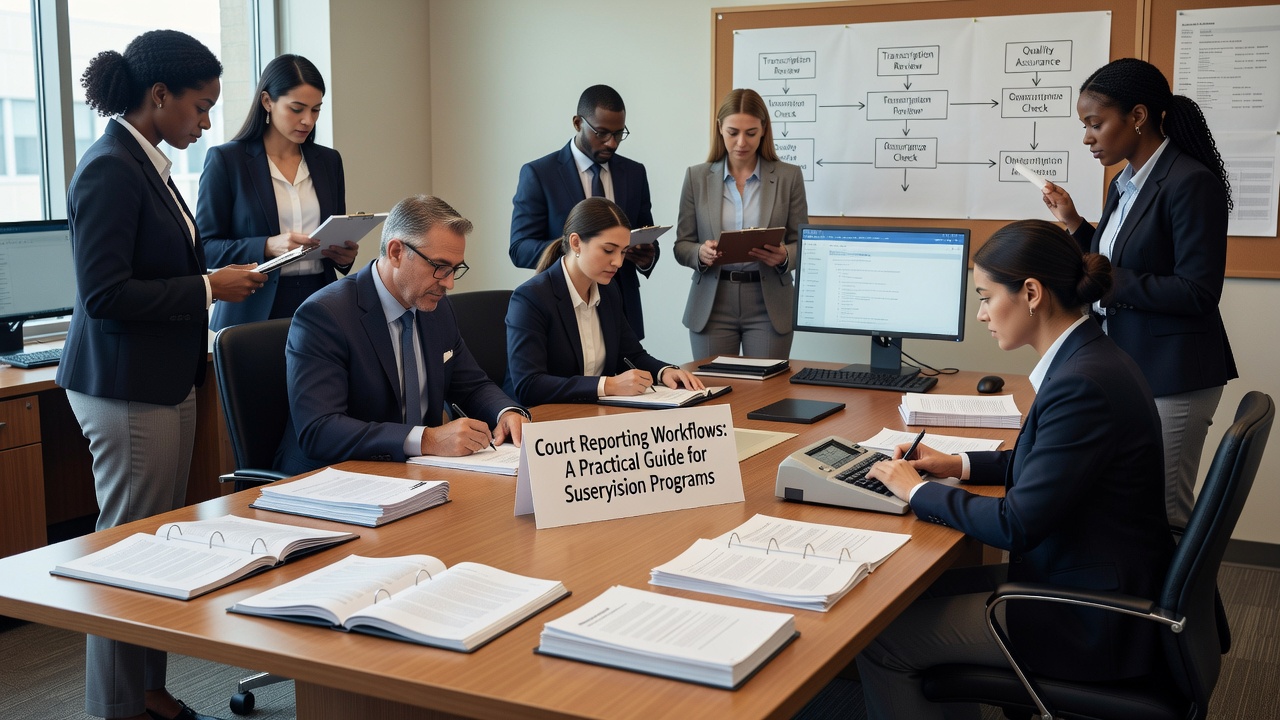
Improving court reporting workflows for supervision programs is one of the most practical steps an agency can take to reduce administrative burden, avoid audit findings, and maintain credibility with courts and regulators. Yet many agencies still rely on disconnected processes, paper-based records, and manual data entry that create avoidable gaps in documentation and billing. This guide breaks down the key workflow areas where small, structured improvements deliver the most operational value.
Why Documentation Gaps Create Bigger Problems Downstream
Poor documentation rarely stays contained to one area. A missing signature on a progress note can delay billing. An incomplete consent form can create a privacy compliance issue. An attendance log that doesn’t match billing records can trigger an audit finding that takes weeks to resolve.
The most common documentation mistakes in supervision programs include:
- Missing or incomplete consent forms at intake
- Attendance logs that don’t align with billing records
- Unsigned or undated progress notes
- Inconsistent use of note templates across staff or locations
These aren’t just administrative nuisances. They affect billing integrity, court reporting quality, and your agency’s ability to demonstrate compliance when it matters most. Catching these issues early — before they become patterns — is far less costly than addressing them during an audit or billing denial review.
Building Reporting Workflows That Reduce Administrative Burden
One of the most common complaints from supervision program staff is that documentation and reporting feel like they compete with direct client work. When workflows are poorly structured, that’s often true. But well-designed court reporting workflows for supervision programs can reduce duplication and keep reporting current without adding significant staff time.
Use Monthly Reporting Checklists
A simple checklist that covers attendance, completion status, violations, and billing data ensures nothing gets missed at month-end. This is especially useful when multiple staff members contribute to the same report.
Centralize Reporting Data
When attendance records, case notes, and billing information live in separate places, staff spend unnecessary time reconciling data before reports can be submitted. Centralizing this data — whether through integrated software or a structured shared system — reduces errors and frees up time for client-facing work.
Minimize Duplicate Data Entry
Integrated workflows that connect intake, documentation, and billing mean information entered once flows through where it’s needed. This not only reduces staff workload but also reduces the risk of inconsistencies between records.
Documentation tools for supervision agencies can support this kind of integration, making it easier to maintain accurate, connected records across departments.
Intake and Case Handoffs: Getting It Right From the Start
Many downstream reporting and billing problems can be traced back to incomplete intake processes. When key information isn’t captured at the start of a case, staff spend time tracking it down later — often under deadline pressure.
A structured intake checklist should capture:
- Signed and dated consent forms, including scope and expiration
- Risk screening and program eligibility documentation
- Court referral requirements and reporting obligations
- Billing authorization and insurance or fee-agreement details
Handoffs between intake, clinical, and billing teams are another common gap. Clear handoff steps — documented and followed consistently — prevent cases from falling through the cracks and ensure billing can proceed without delays.
Aligning Billing With Documentation Standards
Billing integrity in regulated programs depends on documentation. Before a claim is submitted, the service it represents needs to be fully documented, signed, and accurately recorded.
A pre-billing completeness review is a practical quality control step that catches:
- Missing progress notes for billed sessions
- Unsigned or incomplete service records
- Discrepancies between attendance logs and billing entries
- Program sequence or completion status issues that affect billing eligibility
This kind of review doesn’t need to be burdensome. When documentation workflows are well-structured, a pre-billing check becomes a routine step rather than a time-consuming investigation. The result is fewer claim denials, more stable cash flow, and a clear paper trail that supports compliance if questions arise.
Staying Audit-Ready Without Last-Minute Scrambles
Audit readiness isn’t a project that happens before an audit — it’s a posture that agencies maintain continuously. Programs that handle audits well tend to have a few things in common.
Standardized Note Templates
Structured templates with required fields reduce omissions in progress notes and make records easier to review. When templates are preconfigured to align with accreditation or licensing requirements, staff don’t need to remember what to include — the form guides them. The key is making templates simple enough that staff actually use them consistently.
Compliance Tracking and Exception Review
Real-time visibility into compliance metrics — such as overdue documentation, missing signatures, or incomplete case records — allows supervisors to address issues before they accumulate. An exception review process that flags overdue or incomplete items gives agencies a proactive way to manage compliance rather than reacting to findings.
Audit Trails for Disclosures
Under privacy frameworks like HIPAA and 42 CFR Part 2, agencies must be able to account for every disclosure of protected information — who received it, what was shared, when, and why. Maintaining a complete disclosure log isn’t just a regulatory requirement; it protects the agency in investigations and builds trust with courts and clients.
Internal Audits and Mock Reviews
Scheduling regular internal audits — and occasionally conducting mock surveys — helps agencies identify gaps before external reviewers do. Compliance tracking for regulated programs that includes remediation tracking makes it possible to document corrective actions and demonstrate measurable improvement over time.
Takeaway
Court reporting workflows for supervision programs don’t need to be complicated, but they do need to be consistent. The agencies that manage compliance, billing, and documentation most effectively aren’t necessarily doing more work — they’re doing it in a more structured way. Standardized templates, intake checklists, pre-billing reviews, and centralized reporting data each address a specific point of failure that creates downstream problems.
Modern software tools designed for regulated supervision environments can support all of these workflow areas — reducing manual effort, improving accuracy, and keeping agencies audit-ready without last-minute pressure. If your current processes rely heavily on paper, spreadsheets, or disconnected systems, even modest workflow improvements can have a meaningful impact on staff time, billing outcomes, and court confidence in your program.
Ready to evaluate your current documentation and reporting workflows? Start with a review of your intake checklist, your pre-billing process, and how your attendance records connect to your reporting outputs. Those three areas often reveal the most actionable opportunities for improvement.