
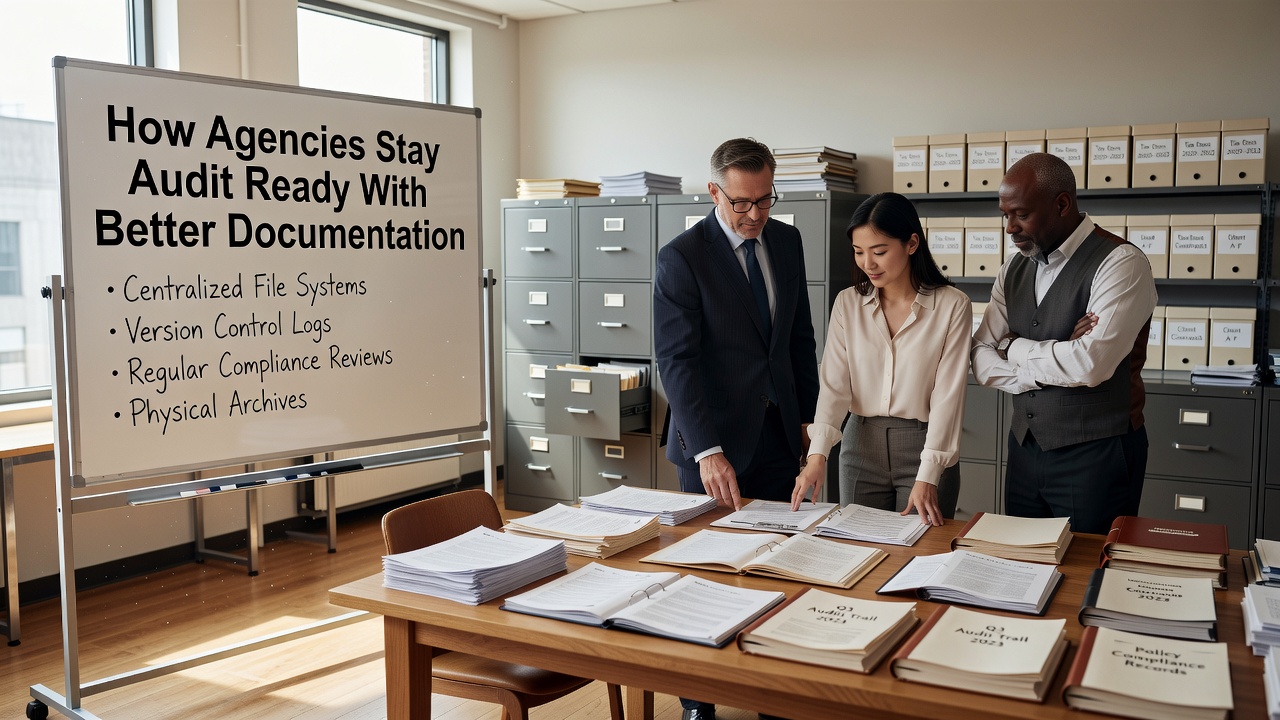
Staying audit ready is not something that happens automatically. For agencies managing supervised treatment programs, how agencies stay audit ready with better documentation comes down to consistent habits, reliable workflows, and systems that make compliance tracking easier over time — not harder.
When documentation is disorganized or incomplete, audits become stressful events instead of routine checkpoints. The good news is that most documentation gaps are preventable with the right processes in place.
Why Documentation Gaps Create Compliance Risk
In regulated supervision environments, documentation is not just paperwork — it is your record of care, accountability, and legal standing. Missing or inconsistent records can result in:
- Failed audits or findings that require corrective action
- Delayed or denied billing due to missing service documentation
- Liability exposure when records cannot support decisions made during a client’s case
- Strained referral relationships with courts, probation departments, or oversight agencies
Many agencies find that documentation problems are not caused by carelessness. They are caused by workflows that were not designed to support compliance from the start.
Common Documentation Mistakes in Supervised Programs
Understanding where things typically go wrong helps agencies build stronger habits. The most common documentation mistakes include:
Incomplete or Missing Progress Notes
Progress notes that are vague, missing required elements, or filed late create gaps that auditors flag immediately. Notes should consistently reflect the date of service, the nature of the session, the client’s status, and any compliance-relevant observations.
Consent and Authorization Forms Not Kept Current
Release of information forms, consent documents, and treatment authorizations have expiration dates and revision requirements. Agencies that do not track these proactively often discover expired forms during audits — after the fact.
Inconsistent Intake and Discharge Documentation
Standardizing what is collected at intake and what is documented at discharge matters. When different staff members handle these processes differently, records become inconsistent and harder to defend during a review.
Missed Deadlines on Court-Required Reports
Court-required reports have strict submission windows. Agencies that rely on manual reminders or informal tracking systems are more likely to miss deadlines, which damages credibility with referring courts and oversight bodies.
What Audit-Ready Documentation Actually Looks Like
Being audit ready does not mean scrambling to organize files before a review. It means your documentation is accurate, complete, and accessible at any time. Here is what that looks like in practice:
- Standardized templates for progress notes, intake forms, and discharge summaries so nothing is left to interpretation
- Consistent date and signature requirements applied across all service records
- Clear records of consent and authorization, including expiration tracking
- Timely and complete court reports filed within required windows
- A defined record retention policy that staff understand and follow
- Organized case files that can be retrieved and reviewed quickly without preparation
The agencies that perform best in audits are typically the ones that treat documentation as an ongoing operational practice, not an emergency task.
How Better Workflows Reduce Administrative Burden
One of the biggest barriers to good documentation is that it feels like extra work on top of an already demanding caseload. The right workflow design changes that.
When documentation steps are built directly into daily service delivery — rather than added on at the end of the week — staff spend less time catching up and more time working accurately. Structured workflows also reduce the cognitive load of deciding what to document and when.
For agencies managing high caseloads, software tools built for regulated supervision environments can make a meaningful difference. Documentation tools for supervision agencies can automate reminders for upcoming deadlines, flag incomplete records, and surface missing information before it becomes an audit issue.
Key workflow improvements that reduce administrative burden include:
- Automated deadline tracking for court reports and compliance submissions
- Built-in prompts that guide staff through required documentation fields
- Centralized client records that all authorized staff can access without redundant data entry
- Billing integration so that completed service documentation feeds directly into billing workflows, reducing errors and delays
Building a Reliable Reporting Workflow Without Adding Overhead
A well-designed reporting workflow does not require more staff — it requires better structure. Agencies that have moved away from manual tracking systems often describe the shift as reducing chaos rather than adding complexity.
Start by auditing your current workflow:
1. Map each documentation touchpoint from intake through discharge 2. Identify where delays or errors most commonly occur 3. Standardize the format for every document type your agency produces 4. Assign clear ownership for each reporting task 5. Use a tracking system — whether a purpose-built software platform or a structured internal system — to monitor deadlines and completion status
Agencies that handle both compliance tracking and billing in a coordinated system also tend to catch documentation problems earlier, because billing rejections often signal missing or incomplete service records.
For organizations that support clients in monitored treatment programs, administrative workflow tools for regulated programs can help consolidate these functions into a single, organized environment rather than managing them across disconnected spreadsheets or paper files.
Takeaway
Audit readiness is not a one-time project — it is the result of consistent documentation habits and workflows that are designed to support compliance from day one. Agencies that invest in standardized processes, reliable tracking systems, and staff-friendly documentation tools are better positioned to meet reporting requirements, maintain accurate records, and stay prepared for reviews without disruption.
Modern software tools purpose-built for regulated supervision environments can help agencies reduce administrative burden, catch documentation gaps early, and maintain the kind of organized, accessible records that make audits manageable instead of stressful.
Want to see how a structured documentation and compliance workflow could work for your agency? Explore how purpose-built tools support regulated programs and schedule a conversation with our team.