
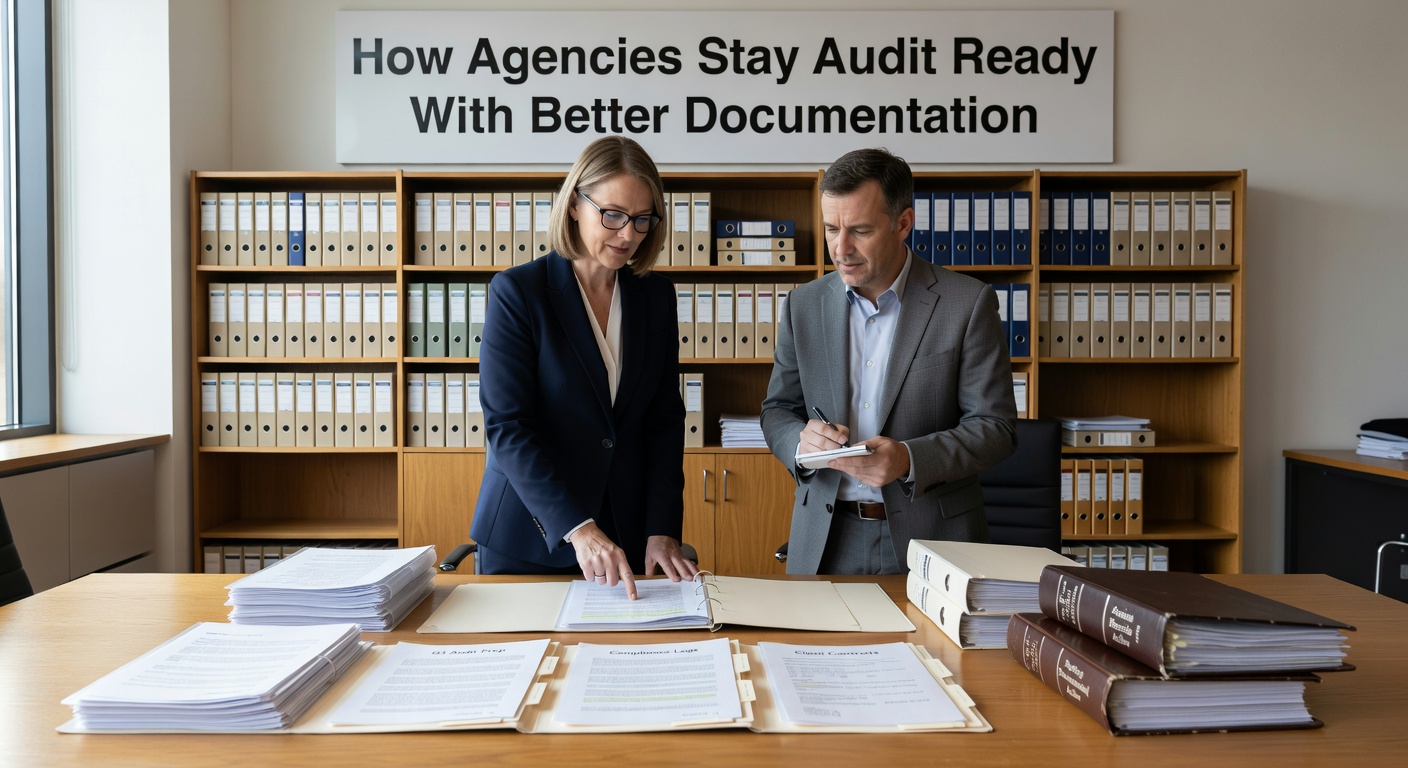
Supervision and compliance agencies managing hundreds of cases need systematic approaches to maintain how agencies stay audit ready with better documentation while reducing administrative burden. Modern documentation strategies focus on risk-based categorization, standardized templates, and workflow automation to create audit-ready records without overwhelming staff.
Agencies that implement structured documentation practices report 50% faster audit response times and significantly fewer compliance findings during reviews. The key is moving from reactive record-keeping to proactive systems that maintain compliance standards year-round.
Risk-Based Documentation Prioritizes High-Impact Cases
Effective documentation begins with risk-based client categorization that allocates resources based on compliance history and violation patterns. This approach ensures detailed records for clients who need intensive monitoring while streamlining documentation for lower-risk cases.
High-risk clients with recent violations, substance abuse issues, or non-compliance patterns require:
- Weekly check-ins with detailed interaction notes
- Comprehensive testing and violation documentation
- Timestamped entries with specific action items
- Supervisor review signatures on all critical incidents
Moderate-risk clients such as first-time participants with stable compliance patterns benefit from:
- Bi-weekly or monthly standardized check-in templates
- Automated reminder systems for upcoming requirements
- Exception-based reporting for violations or significant changes
- Streamlined documentation using checkbox formats
Low-risk compliant clients can shift to:
- Quarterly self-reporting with verification protocols
- Exception-based monitoring that documents only violations or milestones
- Automated compliance tracking with alert systems
- Minimal manual documentation requirements
This tiered approach allows agencies to focus intensive documentation efforts where they matter most while maintaining adequate records across all cases.
Standardized Templates Eliminate Documentation Errors
Consistent templates create audit-ready documentation by ensuring every interaction captures essential compliance information. Standardized documentation templates should include:
- Client identification fields with unique case numbers and participant details
- Interaction checkboxes for common meeting types, tests, and compliance activities
- Compliance indicator sections that track progress against court-ordered requirements
- Action item fields with clear next steps and responsible parties
- Timestamp and signature areas for verification and audit trails
Exception-Based Reporting Reduces Administrative Overload
Exception-based reporting focuses documentation on deviations from standard compliance rather than routine activities. This approach significantly reduces repetitive paperwork while maintaining thorough records of important events.
Routine compliance activities can be documented through:
- Simple checkbox confirmations for attended sessions
- Automated attendance tracking systems
- Standardized “no issues” entries for uneventful check-ins
- Bulk processing for multiple similar interactions
Exception reporting captures detailed information for:
- Missed appointments or treatment sessions
- Positive substance abuse test results
- Violation incidents requiring court notification
- Significant life changes affecting compliance
- Milestone achievements or program completions
Agencies implementing exception-based reporting typically see 30-50% reductions in documentation time while improving audit readiness through focused record-keeping.
Workflow Automation Supports Consistent Record-Keeping
Automated workflows ensure critical documentation tasks happen consistently and on schedule. Effective automation strategies include:
Batch processing for routine administrative tasks:
- Weekly file reviews with supervisor sign-offs
- Monthly billing documentation compilation
- Quarterly court reporting preparation
- Annual compliance requirement updates
Automated alert systems for time-sensitive requirements:
- Upcoming test dates and appointment reminders
- Court reporting deadlines
- License renewal notifications
- Policy update acknowledgment requirements
Quality control checkpoints built into workflows:
- Supervisor approval requirements for critical entries
- Automated flags for missing documentation
- Compliance verification before case closures
- Regular audit trail reviews
Multi-Agency Coordination Prevents Duplicate Documentation
Agencies working with multiple stakeholders benefit from coordinated documentation protocols that prevent duplicate work and ensure information sharing compliance.
Standardized referral processes should include:
- Common intake forms shared between agencies
- Clear protocols for violation reporting to courts
- Regular inter-agency communication schedules
- Defined roles for documentation responsibilities
Information sharing agreements that specify:
- Which records can be shared between agencies
- Required consent and privacy protections
- Standardized formats for shared documentation
- Audit trail requirements for shared information
Privacy Compliance Maintains Audit Readiness
Specialized programs must maintain privacy compliance documentation alongside standard supervision records. Substance use disorder treatment providers operating under 42 CFR Part 2 need additional safeguards.
Required privacy documentation includes:
- Part 2-specific consent forms for all disclosures
- Redisclosure notices on every record release
- Comprehensive tracking logs for all shared information
- Annual staff training documentation on privacy requirements
Post-2024 HIPAA alignment (compliance deadline February 16, 2026) requires:
- Updated consent procedures reflecting new standards
- Enhanced breach response documentation
- Risk analysis documentation for all data flows
- End-to-end testing records for consent processes
Agencies should designate a privacy compliance lead responsible for maintaining these specialized documentation requirements and conducting regular privacy audits.
Performance Metrics Guide Documentation Improvement
Tracking simple operational metrics helps agencies identify documentation bottlenecks and improve efficiency without adding administrative burden.
Key performance indicators for documentation workflows:
- Average time to complete routine documentation tasks
- Error frequency in submitted court reports
- Staff caseload distribution and balance
- Audit finding rates during reviews
- Client attendance and compliance rates
Regular review of these metrics allows agencies to spot problems early and adjust documentation tools for supervision agencies before they impact audit readiness.
Built-in quality reviews should include:
- Supervisor sign-offs on critical case decisions
- Automated flags for unusual patterns or missing information
- Monthly file audits on a rotating sample basis
- Quarterly compliance verification processes
Takeaway
Maintaining audit-ready documentation requires systematic approaches that balance thoroughness with efficiency. Risk-based categorization ensures intensive documentation for high-need cases while streamlining records for stable participants. Standardized templates and exception-based reporting eliminate guesswork and reduce repetitive tasks. Automated workflows maintain consistency while freeing staff to focus on participant services rather than paperwork. Modern software tools help agencies implement these best practices while maintaining the detailed, organized records that auditors expect and compliance standards require.