
Managing compliance reporting for supervision agencies requires precision, timeliness, and attention to detail. Court-mandated supervision programs face complex reporting obligations that vary by jurisdiction, with strict deadlines and serious consequences for non-compliance. Understanding these requirements and implementing systematic approaches helps agencies maintain their licenses, avoid penalties, and provide quality services to clients.
Understanding Core Reporting Obligations
Supervision agencies must meet immediate notification requirements for critical incidents. When clients experience positive drug or alcohol tests, new arrests, failed interlock devices, treatment non-compliance, or unauthorized address changes, agencies typically must report these violations to courts, DMV, and state agencies by the next business day.
Beyond crisis reporting, agencies maintain ongoing documentation throughout supervision periods that typically last 12-30 months. This includes comprehensive intake documentation, session attendance tracking with timestamps, testing results with proper chain of custody, fee payment histories, and detailed progress notes.
Financial record keeping presents another critical compliance area. Programs must maintain detailed financial logs subject to regular audits, with many jurisdictions requiring program surplus not to exceed 10% of gross fees. Agencies must also notify participants of their financial assessment rights and provide transparent fee structures.
Common Documentation Bottlenecks That Create Compliance Risks
Many agencies struggle with incomplete intake documentation. Missing court referrals, unsigned consent forms, incomplete medical histories, or absent DMV driving abstracts create immediate compliance vulnerabilities. These gaps become problematic during audits or when courts request status updates.
Delayed entry of critical information represents another significant bottleneck. While routine events may have 24-48 hour entry windows, critical violations like failed tests require same-day documentation. Agencies without systematic entry protocols often fall behind, creating compliance gaps.
Poor communication between clinical staff and administrative teams frequently results in disconnected records. When clinical notes don’t align with billing documentation or attendance records, agencies face audit challenges and potential compliance violations.
Standardizing Documentation Templates
Implementing standardized templates helps agencies maintain consistency across all client records. Templates should include:
• Intake checklists covering court referrals, sentencing orders, financial assessments, and signed consents
• Session documentation forms with timestamp requirements and progress note sections
• Incident report templates for immediate violation reporting
• Completion tracking sheets for successful and unsuccessful program outcomes
Building Effective Reporting Workflows
Successful agencies develop systematic notification protocols for different types of reporting requirements. Immediate violations require same-day reporting workflows, while periodic compliance reports follow scheduled timelines.
Multi-agency coordination becomes essential when violations occur. Agencies must simultaneously notify courts, DMV offices, and state departments using jurisdiction-specific forms and deadlines. Creating standardized contact lists and notification templates reduces errors and ensures timely compliance.
Many agencies benefit from implementing batch processing approaches for routine reporting. Rather than handling reports individually, agencies can group similar reporting requirements and process them systematically during designated times.
Automation and Alert Systems
Modern supervision agencies increasingly rely on automated systems to manage compliance reporting deadlines. Alert systems can notify staff of:
• Upcoming court reporting deadlines
• Client authorization expiration dates
• Required periodic compliance submissions
• Missing documentation that affects audit readiness
Audit Preparation and Record Management
Agencies face regular oversight through county monitoring every six months and biennial license renewals requiring full record access. Audit readiness requires maintaining complete, accurate, and easily accessible documentation systems.
Comprehensive progress notes should document all client interactions, including session content, compliance issues, and interventions provided. Notes must clearly link clinical services to billing documentation to demonstrate appropriate service delivery.
Agencies should conduct internal audit reviews quarterly to identify incomplete records, missing documentation, or compliance gaps before external audits occur. This proactive approach helps agencies address issues while maintaining their licenses and avoiding penalties.
Training Staff on Legal Standards
Staff training on jurisdiction-specific requirements becomes critical for maintaining compliance. Training should cover:
• Court order interpretation and documentation requirements
• State-specific reporting forms and deadlines
• Proper chain of custody procedures for testing
• Financial record keeping and audit preparation
Technology Solutions for Compliance Management
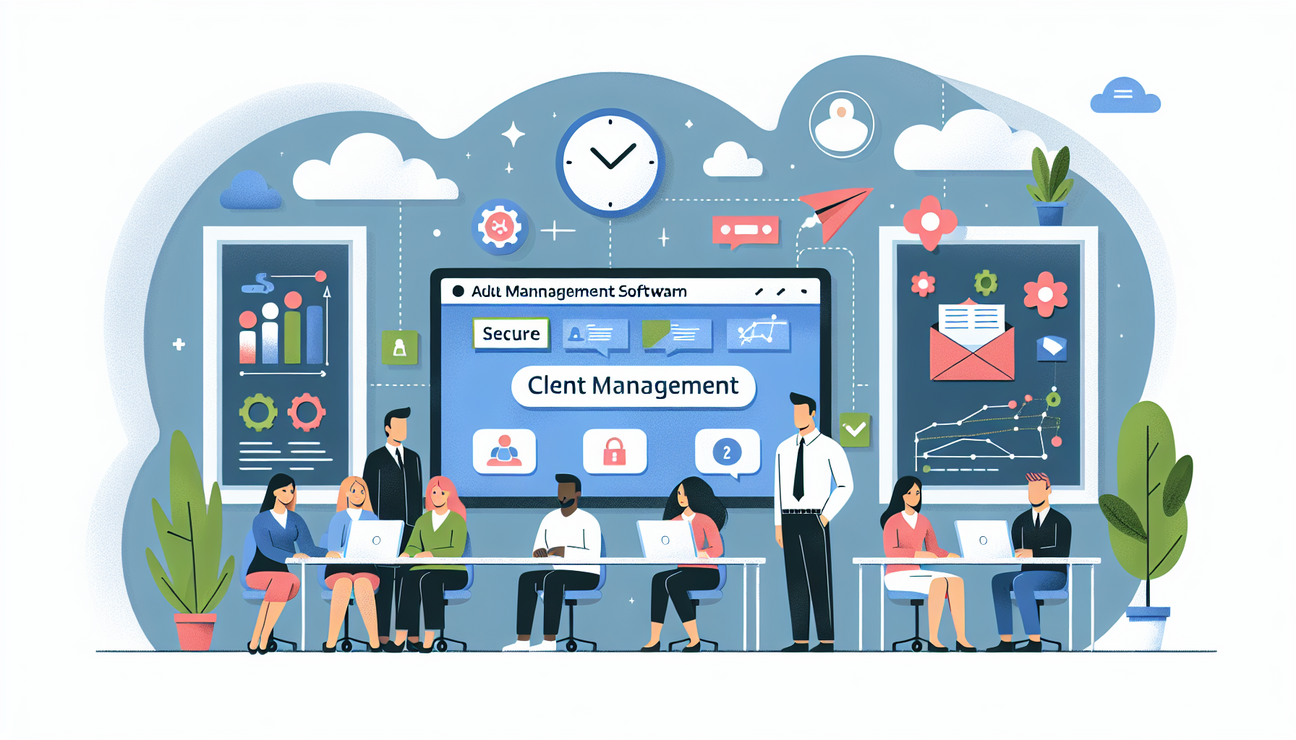
Many agencies find that administrative workflow tools for regulated programs help streamline compliance reporting while reducing administrative burden. These systems can automate routine reporting tasks, maintain comprehensive audit trails, and ensure consistent documentation practices.
Centralized tracking systems help agencies manage multiple reporting requirements from a single platform. Rather than maintaining separate spreadsheets or paper files, centralized systems provide complete client histories with integrated reporting capabilities.
Automated compliance checks can flag potential issues before they become violations. Systems can identify missing documentation, approaching deadlines, or incomplete records that require immediate attention.
Managing State-Specific Requirements
Compliance requirements vary significantly by jurisdiction, requiring agencies to understand local regulations thoroughly. Some states require standardized assessments with specific testing protocols, while others focus on driving record reviews and DMV coordination.
Multi-state agencies face additional complexity in managing different reporting requirements across jurisdictions. These agencies must maintain separate compliance protocols while ensuring consistent service quality.
Regular review of state department communications, including payer newsletters and regulatory updates, helps agencies stay current with changing requirements. Many states provide annual code updates and requirement changes that affect reporting obligations.
Takeaway
Effective compliance reporting for supervision agencies requires systematic approaches to documentation, timely reporting protocols, and staff training on legal standards. Agencies that implement standardized templates, automated alert systems, and regular internal audits maintain better compliance records while reducing administrative workload. Modern software tools can significantly improve compliance management by automating routine tasks, maintaining comprehensive audit trails, and ensuring consistent documentation practices across all client interactions.
Ready to streamline your agency’s compliance reporting? Contact us to learn how modern case management solutions can reduce administrative burden while improving audit readiness and regulatory compliance.