
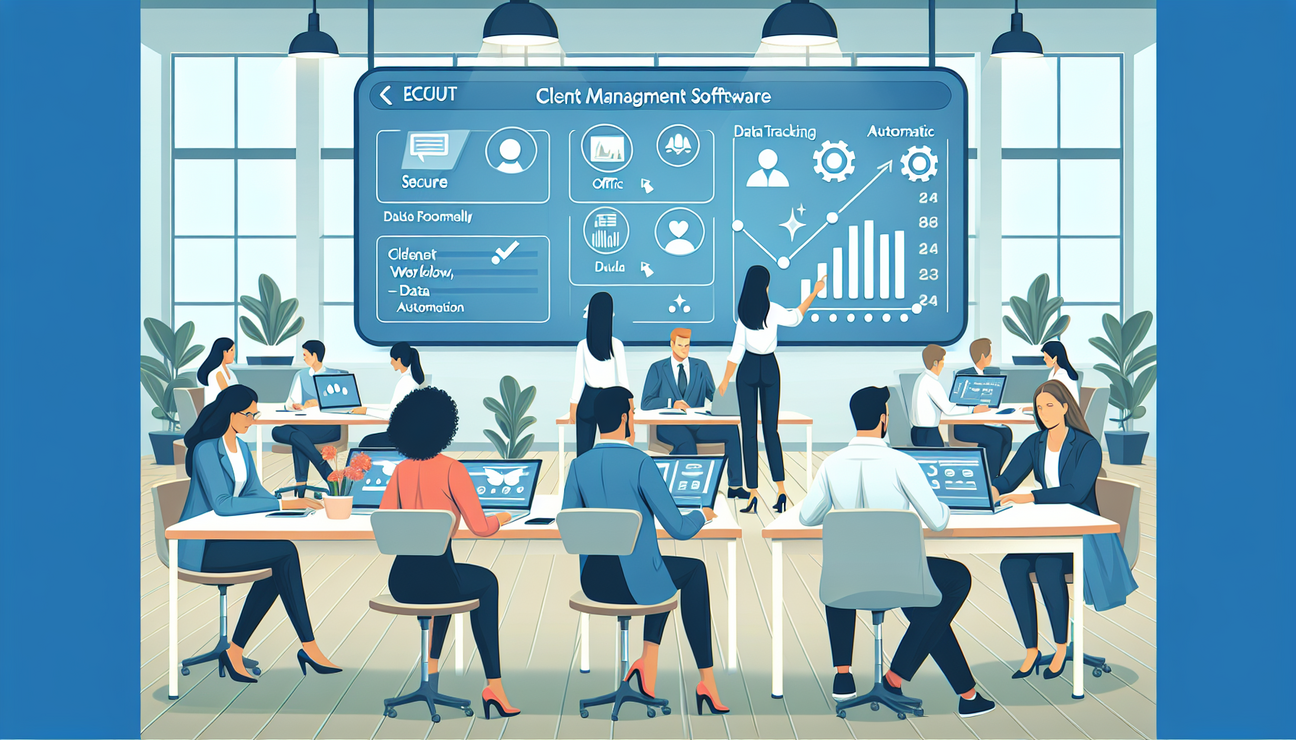
Managing billing workflows for DUI program providers requires navigating complex administrative processes while maintaining compliance with payer requirements. When these workflows encounter bottlenecks, the entire operation suffers from delayed payments, increased administrative burden, and reduced focus on client care.
Common Billing Workflow Bottlenecks in DUI Programs
Duplicate Claims Processing
One of the most disruptive bottlenecks occurs when duplicate claims enter the billing system. This happens when staff accidentally submit the same service twice or when communication gaps between departments lead to overlapping submissions. The result is not just claim denials, but potential audit flags that can trigger broader reviews of your billing practices.
Duplicate claims often stem from:
- Manual data entry errors
- Poor communication between intake and billing teams
- Lack of real-time claim tracking systems
- Staff submitting corrections that create duplicates instead of replacing original claims
Provider Data Mismatches
Provider credential mismatches create significant delays in claim processing. When the provider information on claims doesn’t exactly match what’s on file with the payer, claims get rejected automatically. This is particularly problematic for DUI programs that work with multiple contracted providers or when staff credentials are updated but not synchronized across all systems.
Common data mismatch issues include:
- Outdated National Provider Identifier (NPI) numbers
- Name variations between contracts and claim submissions
- Address changes not reflected in payer databases
- Credential expiration dates not updated in billing systems
Authorization Workflow Delays
Prior authorization requirements create natural bottlenecks, but inefficient authorization workflows compound the problem. When authorization requests sit in queues, expire without notice, or require multiple back-and-forth communications with payers, the entire billing cycle slows down.
Authorization bottlenecks typically involve:
- Missing medical necessity documentation
- Expired authorizations that weren’t renewed in time
- Incomplete initial authorization requests
- Lack of automated alerts for upcoming expirations
Communication Gaps Between Teams
Information Silos
When clinical staff, administrative personnel, and billing teams operate in separate systems or don’t share information effectively, workflow bottlenecks multiply. Clinical notes might not reach billing staff in time, or billing issues might not be communicated back to clinical teams who could provide necessary documentation.
Single-Point Verification Failures
Without a centralized system for verifying client information, insurance coverage, and authorization status, multiple staff members often duplicate verification work or miss critical updates. This creates inefficiencies and increases the risk of billing errors.
Strategies for Resolving Billing Workflow Bottlenecks
Implement Claim Tracking Systems
Real-time claim tracking helps identify bottlenecks before they become major problems. When staff can see exactly where each claim sits in the process, they can proactively address issues instead of waiting for denials.
Effective tracking systems should monitor:
- Claim submission dates and status
- Authorization expiration dates
- Provider credential renewal schedules
- Denial patterns and common rejection reasons
Establish Clear Communication Protocols
Designating specific team members as liaison points between clinical and billing functions reduces communication gaps. Regular team meetings focused on billing issues help identify workflow problems early and ensure everyone understands current payer requirements.
Standardize Verification Processes
Creating standardized verification checklists ensures that insurance coverage, authorization status, and provider credentials are confirmed consistently for every client. This prevents downstream billing problems and reduces the need for claim corrections.
Monitor Key Performance Indicators
Tracking metrics like claim denial rates, days in accounts receivable, and time from service to payment helps identify which bottlenecks have the biggest impact on your program’s financial health. Focus improvement efforts on the areas that will provide the most significant operational benefits.
Technology Solutions for Workflow Optimization
Modern administrative workflow tools for regulated programs can automate many of the manual processes that create billing bottlenecks. Features like automated authorization tracking, integrated claim submission, and real-time eligibility verification eliminate many common sources of delays.
Key automation opportunities include:
- Automatic duplicate claim detection
- Real-time insurance eligibility verification
- Automated authorization renewal reminders
- Integrated documentation workflows that connect clinical notes to billing processes
Takeaway
Billing workflow bottlenecks significantly impact DUI program efficiency, but most are preventable through improved communication, standardized processes, and strategic use of technology. By addressing duplicate claims, provider data mismatches, and authorization delays systematically, programs can reduce administrative burden and focus more resources on client care. The key is identifying your specific bottlenecks and implementing targeted solutions that address root causes rather than just symptoms.
Ready to streamline your DUI program’s administrative workflows? Contact our team to learn how modern case management solutions can eliminate common billing bottlenecks and improve your program’s operational efficiency.