
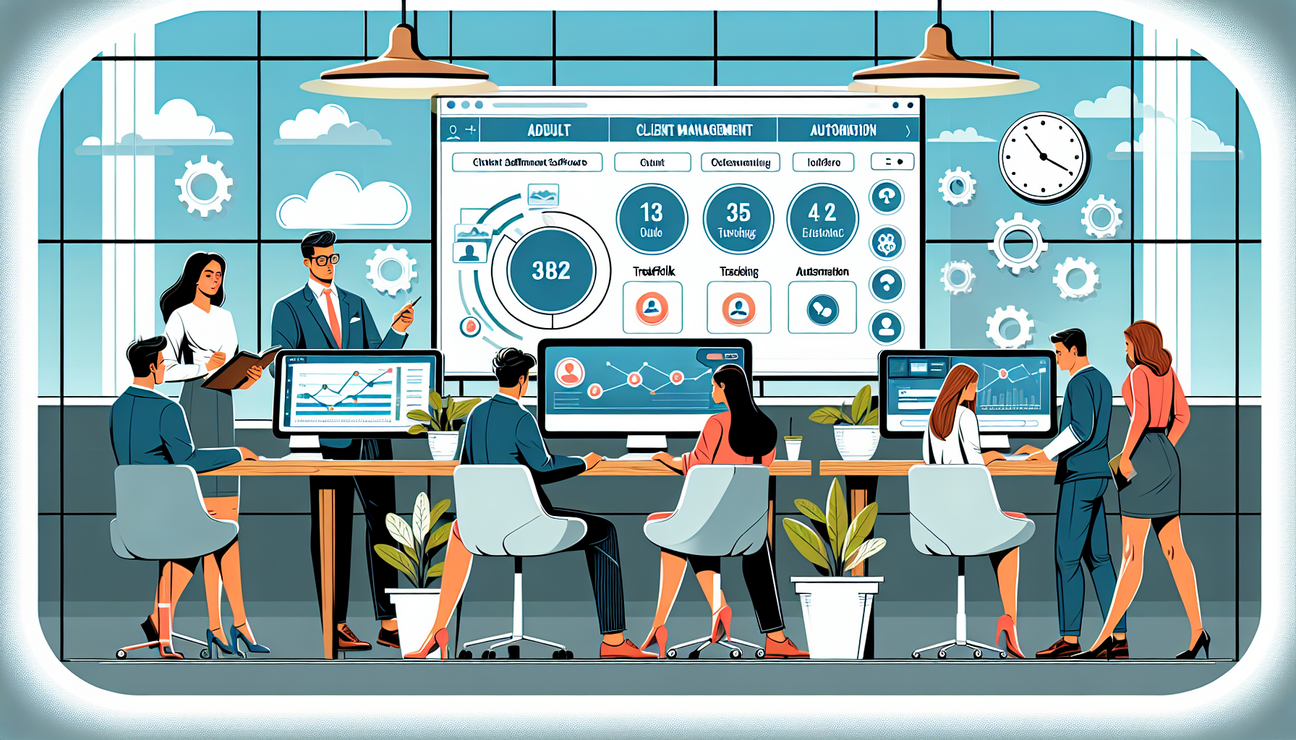
Imagine cutting your agency’s administrative workload nearly in half while boosting compliance rates and client outcomes. That’s exactly what’s happening across probation departments, DUI programs, and treatment centers nationwide as they embrace modern client management technology.
Gone are the days of drowning in paperwork, manually tracking violations, or scrambling to prepare court reports at the last minute. Today’s smart software solutions are transforming how agencies operate, turning reactive, paper-heavy processes into proactive, automated systems that work around the clock.
The Big Picture: Why Modern Software Matters
Traditional client management in high-regulation environments has always been a balancing act. Probation officers juggle massive caseloads, treatment providers struggle with compliance documentation, and administrators spend countless hours on billing and reporting. Meanwhile, clients often fall through the cracks due to delayed communications or missed check-ins.
Cloud-based client management platforms are changing this reality by creating a single, unified system where all stakeholders can access real-time information. Think of it like upgrading from a filing cabinet system to having a personal assistant who never sleeps—one that automatically tracks deadlines, sends reminders, and flags potential issues before they become problems.
Agencies using these modern systems report 30-50% reductions in administrative time, allowing staff to focus on what matters most: helping clients succeed and stay compliant.
Key Features That Drive Real Results
The most effective client management systems share several game-changing capabilities that directly address the pain points agencies face daily:
Automated Workflow Management
- Smart alerts for upcoming court dates, missed appointments, or violation thresholds
- Digital case planning that adjusts automatically based on client risk levels and progress
- Integrated billing systems that handle fee collection, restitution tracking, and financial reporting
- Audit trails that maintain compliance documentation without manual data entry
Real-Time Monitoring Integration
Modern platforms seamlessly connect with monitoring devices like GPS trackers, alcohol monitoring systems, and drug testing equipment. This integration means violations are detected instantly rather than discovered days later during manual check-ins.
Mobile-First Design
Officers can update case notes, check client status, and receive emergency alerts directly on their phones, whether they’re in the field, at court, or working from home. This mobility eliminates the bottleneck of returning to the office to update records.
Leading Solutions for Different Agency Needs
While every agency has unique requirements, certain platforms have emerged as leaders in specific areas:
Tyler Technologies Enterprise Supervision excels in large-scale operations, offering end-to-end lifecycle management from initial court orders through successful program completion. Their rules-based automation handles complex case scenarios without requiring technical expertise from staff.
AutoMon Caseload specializes in community corrections with robust GPS and DUI software integration. Their mobile alert system has proven particularly valuable for officer safety and reducing fieldwork risks.
SCRAM Nexus combines electronic monitoring with comprehensive case management, using smart algorithms to reduce false positive alerts that previously consumed officer time on unnecessary interventions.
For agencies seeking a comprehensive solution, COPS software provides specialized tools designed specifically for offender management programs, with features tailored to the unique compliance requirements of treatment providers and monitoring agencies.
Implementation Success Stories
Real-world results speak volumes about these systems’ effectiveness. Nebraska Probation streamlined their high-caseload operations using mobile apps and automated notifications, allowing officers to shift focus from paperwork to actual rehabilitation work. Oakland County Pretrial achieved similar success, with supervisors noting improved team communication and reduced redundancy in case updates.
Missouri’s statewide implementation demonstrates the broader impact possible when agencies prioritize treatment integration within their technology systems. Their focus on early intervention alerts led to measurably lower violation and revocation rates.
Getting Started: Practical Implementation Tips
Transitioning to modern client management software doesn’t have to be overwhelming. The most successful implementations follow these principles:
- Start modular: Choose systems like Syscon Elite or Fieldware that allow gradual rollout of features
- Prioritize user training: Even the most intuitive systems benefit from proper staff onboarding
- Ensure CJIS compliance: Verify that any platform meets criminal justice information security standards
- Plan for integration: Consider how new software will connect with existing court systems and monitoring devices
The key is finding a balance between powerful functionality and user-friendly design. The best platforms feel intuitive to non-technical staff while providing the robust features needed for complex case management.
Security and Compliance Made Simple
One of the biggest advantages of modern client management systems is their built-in compliance features. Rather than requiring staff to manually maintain audit trails and documentation, these platforms automatically log all interactions, decisions, and data changes.
CJIS-compliant security ensures that sensitive client information remains protected while still being accessible to authorized personnel across multiple agencies. This security doesn’t come at the expense of usability—most platforms use single sign-on systems and role-based access controls that make daily operations smoother, not more complicated.
Takeaway
The transformation happening in client management isn’t just about adopting new technology—it’s about fundamentally improving how agencies serve their communities. When administrative burdens decrease by 30-50%, staff can dedicate more time to meaningful client interactions, early intervention, and program improvement.
For agency owners and administrators, modern dui software and client management platforms represent an opportunity to enhance security, speed up reporting, achieve audit-proof operations, and improve profitability through automated processes. The question isn’t whether to modernize, but how quickly you can implement systems that will benefit both your team and the clients you serve.
The future of client management is here, and it’s more accessible than ever. Whether you’re managing a small treatment program or overseeing county-wide probation operations, the right software solution can transform your daily operations while improving outcomes for everyone involved.