
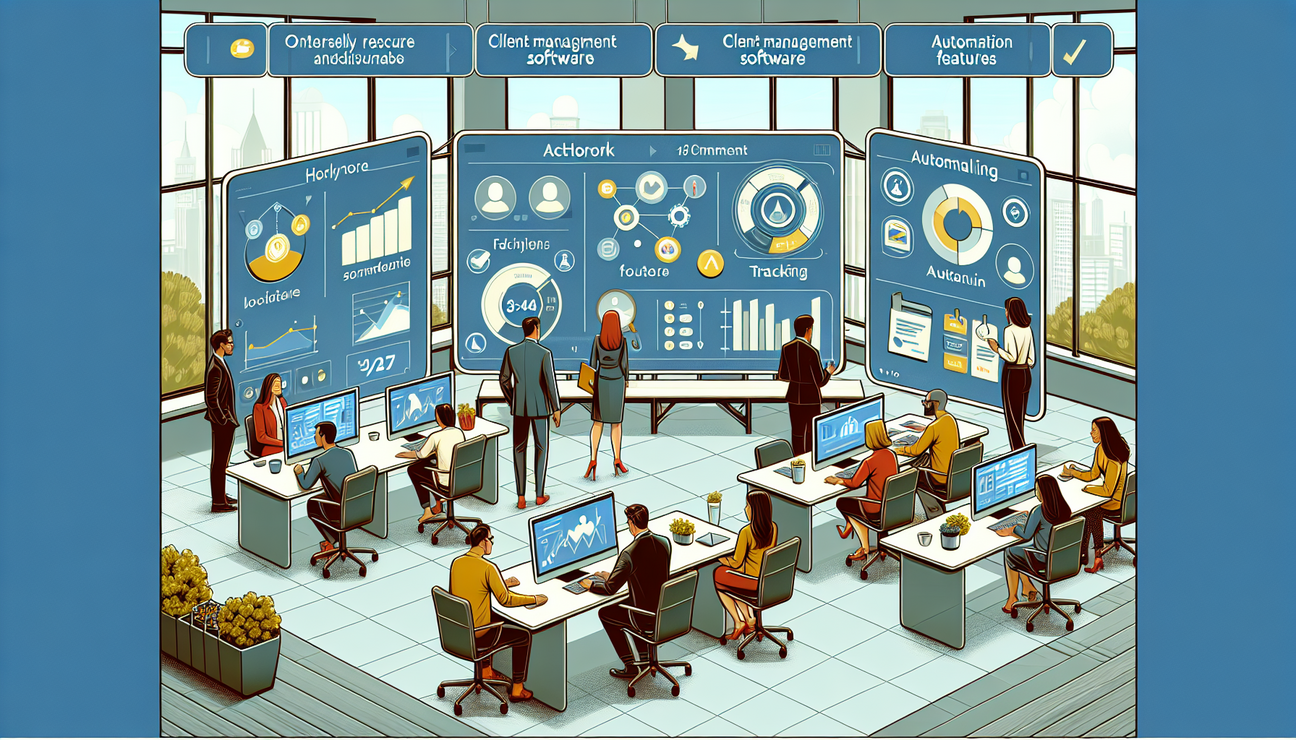
Managing DUI cases used to mean drowning in paperwork, chasing missed appointments, and manually tracking compliance across multiple systems. Today’s DUI software solutions are changing that story entirely, giving agencies the tools they need to automate routine tasks, monitor clients in real-time, and maintain audit-proof records—all while reducing administrative burden and improving public safety outcomes.
Imagine having a dashboard that instantly shows you which clients missed their interlock tests at 2 AM, who’s behind on their education hours, and which cases need immediate court updates. This isn’t a future possibility—it’s happening right now in probation departments and treatment facilities across the country.
The Real-Time Revolution in Client Management
Modern client management platforms like Marquis eOMIS®, Syscon Elite, and specialized solutions like COPS software are replacing the old patchwork of spreadsheets, paper files, and disconnected systems. These cloud-based platforms create a unified “one offender, one record” approach that gives officers instant access to:
- Complete supervision history and court mandates
- Real-time compliance status across all programs
- Automated alerts for violations and missed deadlines
- Mobile field updates that sync immediately
For agencies managing hundreds of DUI cases with limited staff, this centralized visibility transforms daily operations. Instead of spending hours tracking down information across multiple systems, officers can focus on what matters most: helping clients succeed and keeping communities safe.
Smart Automation That Actually Works
The most impressive advancement in DUI software isn’t just digitizing old processes—it’s creating intelligent automation that prevents problems before they escalate. COPS software and similar platforms now integrate directly with:
- Ignition interlock devices – Automatic violation alerts when clients attempt to drive under the influence
- GPS monitoring systems – Real-time location tracking with geofencing capabilities
- Educational program platforms – Progress tracking and completion verification
- Court reporting systems – Automated compliance summaries for hearings
This integration means that when a client violates their interlock requirements or misses a check-in, the system immediately notifies the appropriate officer and generates the documentation needed for swift intervention. No more discovering violations weeks later during manual reviews.
Compliance Monitoring That Goes Beyond GPS
While GPS tracking gets most of the attention, today’s most effective DUI software solutions offer much more sophisticated compliance monitoring. Digital forensic tools now allow officers to quickly scan client devices during check-ins, extracting internet history, call logs, and app usage data to identify potential violations.
For sex offenders with DUI charges, this technology is particularly powerful. Officers can generate forensic reports in minutes rather than hours, sharing findings across agencies and building stronger cases for parole decisions. The stigma-free monitoring approach also helps maintain client dignity while ensuring accountability.
The Audit-Proof Advantage
One of the biggest challenges facing DUI programs is maintaining CJIS compliance while handling sensitive client data. Modern cloud-based platforms address this with:
- Encrypted data protocols that meet federal security standards
- Automated compliance reporting that reduces manual errors
- Audit-ready logging that tracks every system interaction
- Role-based access controls that ensure data privacy
This infrastructure not only reduces security risks but also provides the documentation needed to justify funding and demonstrate program effectiveness to stakeholders.
Mobile-First Design for Field Work
The reality of DUI supervision often happens outside the office—during home visits, community service checks, and court appearances. Leading client management platforms now offer mobile-first designs that allow officers to:
- Update case notes in real-time during field visits
- Access complete client histories from any location
- Capture photos and documentation on-site
- Receive immediate alerts about schedule changes or violations
This mobile capability doesn’t just improve convenience—it dramatically improves data accuracy and reduces the after-hours administrative work that contributes to officer burnout.
Evidence-Based Decision Making
The best DUI software platforms integrate advanced risk assessment tools that help agencies move from reactive to proactive supervision. By analyzing patterns in client behavior, compliance history, and demographic factors, these systems can:
- Identify high-risk clients who need additional resources
- Predict potential violations before they occur
- Optimize caseload distribution among officers
- Track program effectiveness with measurable outcomes
This data-driven approach helps agencies allocate limited resources more effectively while improving success rates for clients who are genuinely committed to change.
Takeaway
The transformation happening in DUI case management isn’t just about replacing paper with digital files—it’s about fundamentally changing how agencies operate. Modern DUI software solutions eliminate the administrative burden that prevents officers from focusing on client success, while providing the real-time visibility and automated compliance tracking that keeps communities safe.
For agencies still managing cases with spreadsheets and manual processes, the efficiency gains from implementing integrated client management platforms can be transformational. The technology exists today to automate routine tasks, prevent violations through early intervention, and maintain the audit-proof documentation that regulatory compliance demands. The question isn’t whether to modernize—it’s how quickly agencies can implement these tools to better serve both their clients and their communities.